ARJUN PATEL
ANTHROPOLOGY ANALYST
Exploring the World: The Allure of Travel and Human Connection
Exploring the World: The Allure of Travel and Human Connection
March 20, 2025
Whether through tourism, migration, or research, the movement of people continues to shape cultures and societies. As borders evolve and travel becomes more accessible, let's us navigate the complexities of human interaction in an ever-changing world.
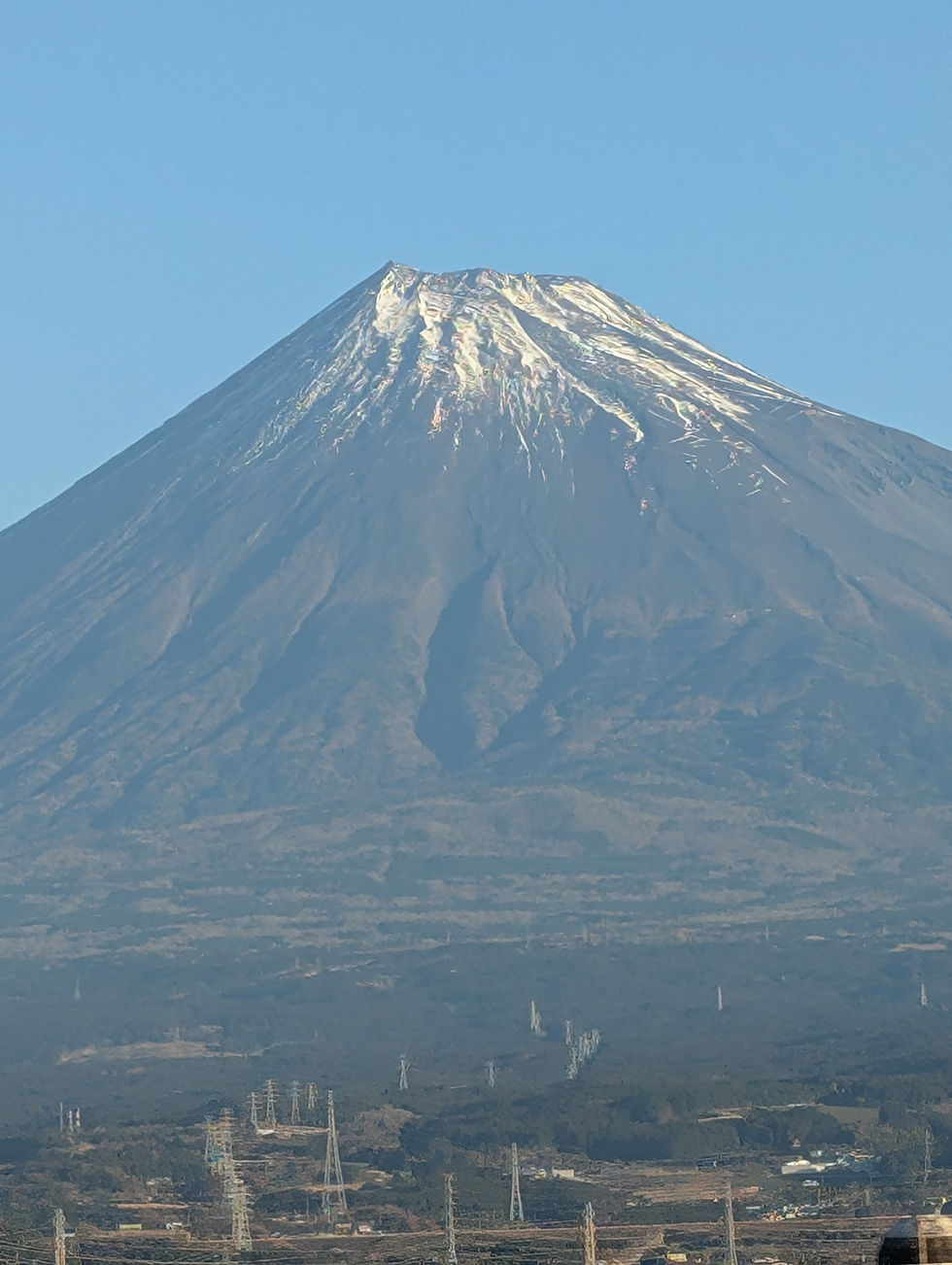
My journey to Japan was more than just a vacation—it was an opportunity to connect with my brother’s elementary school pen pal and immerse myself in a different culture. As I navigated the bustling streets of Tokyo and enjoyed the serene beauty of Kyoto, I reflected on why people have always been drawn to explore the world. From the voyages of Christopher Columbus and Ferdinand Magellan to modern-day tourism, the desire to travel and discover new places is a fundamental part of human history.
I read this article about why people travel and have been both curious and fascinated ever since. Humans have been explorers for centuries, driven by curiosity, trade, and the search for new opportunities. In my cultural class on Sunday mornings we often talk about the silk road and how the evolution of music and dance was introduced into new socities. The journeys of historical figures like Columbus and Magellan reshaped global connections, leading to cultural exchanges and, at times, conflicts. Today, people travel for many reasons—leisure, work, education, or even the desire to reconnect with distant friends, just as I did in Japan.
I think travel is not just movement from one place to another, but a powerful tool for understanding cultural identity and social change. According to my research, tourism can affect shifts in political economies and environmental concerns, often even changing how societies interact with the world around them. Each country takes time to review and change its policies related to issuing (and charging for) travel visas for tourism and work when traveling through its borders! For example, the UK and EU have reviewed its visa requirements for US citizens and India created an e-visa platform for people to apply for entry to the country online.
The study of tourism, in particular, provides a unique lens for analyzing cultural exchange, economic impacts, and even environmental consequences. As I explored Japan, I couldn’t help but notice how tourism shaped the local economy. From historic shrines to modern shopping districts, the influence of visitors was evident in both positive and challenging ways. For instance, shrines and temples were so crowded by people taking pictures to post on instagram and, all the while, cultural foods like sushi and matcha were at an all time high, spreading popularity and excitement.
While travel can be a means of leisure and discovery, it is also a necessity for many seeking refuge and new opportunities. Immigration policies and border control play a crucial role in shaping how people move across countries. For instance, the U.S.-Mexico border remains a focal point in discussions on immigration, with policies shifting to either restrict or facilitate movement.
Many nations face the challenge of balancing security with humanitarian concerns. Countries across Europe, North America, and beyond have implemented different approaches to welcoming refugees and immigrants, shaping political and social landscapes. If we stop and pay attention to study these migration patterns I think we will understand their impact on identity, economy, and integration efforts as they unfold.
Of course, we can also remind ourselves about how diseases and pandemics can spread globally due to travel!
My trip to Japan reminded me that travel is more than just seeing new places—it’s about building connections and gaining a deeper understanding of the world. Whether through tourism, migration, or research, the movement of people continues to shape cultures and societies. As borders evolve and travel becomes more accessible, I think we need to stop and pay attention to how we can help ourselves navigate the complexities of human interaction in an ever-changing world where we can appreciate new cultures and scientific advancements in a respectful and encouraging way.


